
Sekretariat:
Jln.Raya Sanden Kuroboyo RT 06, Caturharjo, Pandak, Bantul, DIY 55761

Exploring the psychology behind casino gaming behavior

The Allure of Chance and Risk
The psychology of casino gaming is deeply intertwined with the allure of chance and the thrill of risk. Players are often drawn to casinos not just for the games themselves but for the unpredictable nature of outcomes. The excitement of possibly winning, coupled with the fear of loss, creates a unique emotional experience. For more insights into the gaming industry, check out wirkn.com as this interplay encourages individuals to engage in gameplay, as the brain releases dopamine, reinforcing the desire to gamble. Understanding this psychological pull can help in analyzing why many find it hard to resist the temptation of the casino environment.
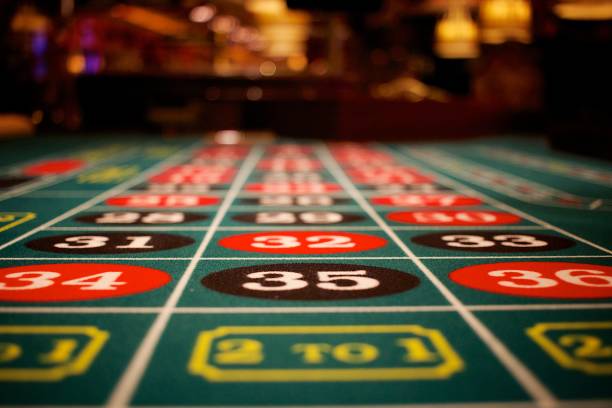
Moreover, the concept of risk-taking is central to human behavior. In casinos, the stakes are often high and the prospect of considerable rewards can overshadow the potential for significant losses. This phenomenon is rooted in cognitive biases, such as the illusion of control, where players believe they can influence random outcomes. This belief can lead to continued play even after experiencing losses, driven by the hope that the next bet may alter their fortune.
The Role of Environment in Gaming Behavior
The physical environment of a casino plays a crucial role in shaping gaming behavior. Casinos are meticulously designed to create an atmosphere that is both inviting and exhilarating. Bright lights, vibrant colors, and engaging sounds work to stimulate the senses and keep players immersed. Such environments can create a sense of escapism, allowing individuals to forget their daily stresses and immerse themselves in the thrill of gambling.
Additionally, the layout of a casino encourages prolonged play. With games strategically positioned to attract foot traffic and bar areas to provide refreshments, players are often lured to stay longer than intended. This deliberate design contributes to an addictive cycle of continuous gambling, where the immediate rewards of winning distract from long-term losses. Recognizing the influence of the environment is essential for understanding player behavior in casinos.
Social Influences and Peer Pressure
Social factors significantly influence gaming behavior in casinos. Many individuals view gambling as a communal activity, often participating with friends or family. This social dynamic can amplify the enjoyment of the experience, but it can also lead to peer pressure. When in a group setting, individuals may feel compelled to gamble more or take higher risks to match the enthusiasm of those around them.
Furthermore, the social aspect of gaming can create a sense of belonging and community. Players may develop friendships with fellow gamblers, foster a sense of loyalty to favorite games, or engage in rituals that enhance their gaming experience. This communal aspect can reinforce gambling behavior, making it challenging for individuals to recognize when their activities become problematic.
The Impact of Addiction and Compulsion
Addiction is a significant concern within the realm of casino gaming behavior. The thrill of gambling can lead some individuals to develop compulsive behaviors, where they continue to bet despite negative consequences. This addictive behavior is often characterized by a preoccupation with gambling, an inability to control one’s gambling activities, and continued gambling even when it harms personal relationships or financial stability.
The progression of gambling addiction can be subtle, as individuals may initially view their behavior as harmless fun. However, as they chase losses or seek the euphoric highs from big wins, the cycle can deepen. Understanding the psychological components of gambling addiction is crucial for developing effective prevention and treatment strategies, particularly in casino environments where temptations abound.

Resources for Responsible Gaming
Navigating the complexities of casino gaming and its psychological underpinnings requires awareness and understanding. For individuals seeking information or needing assistance, various support structures exist, including counseling services and hotlines dedicated to responsible gambling. As awareness of gaming behaviors continues to grow, it is vital to engage in conversations that promote healthy gaming practices and provide necessary support to those in need.
